Renter-Friendly Solutions • 8 min read
Best No-Drill Storage Setup for Each Room
 MyGlowHome Editorial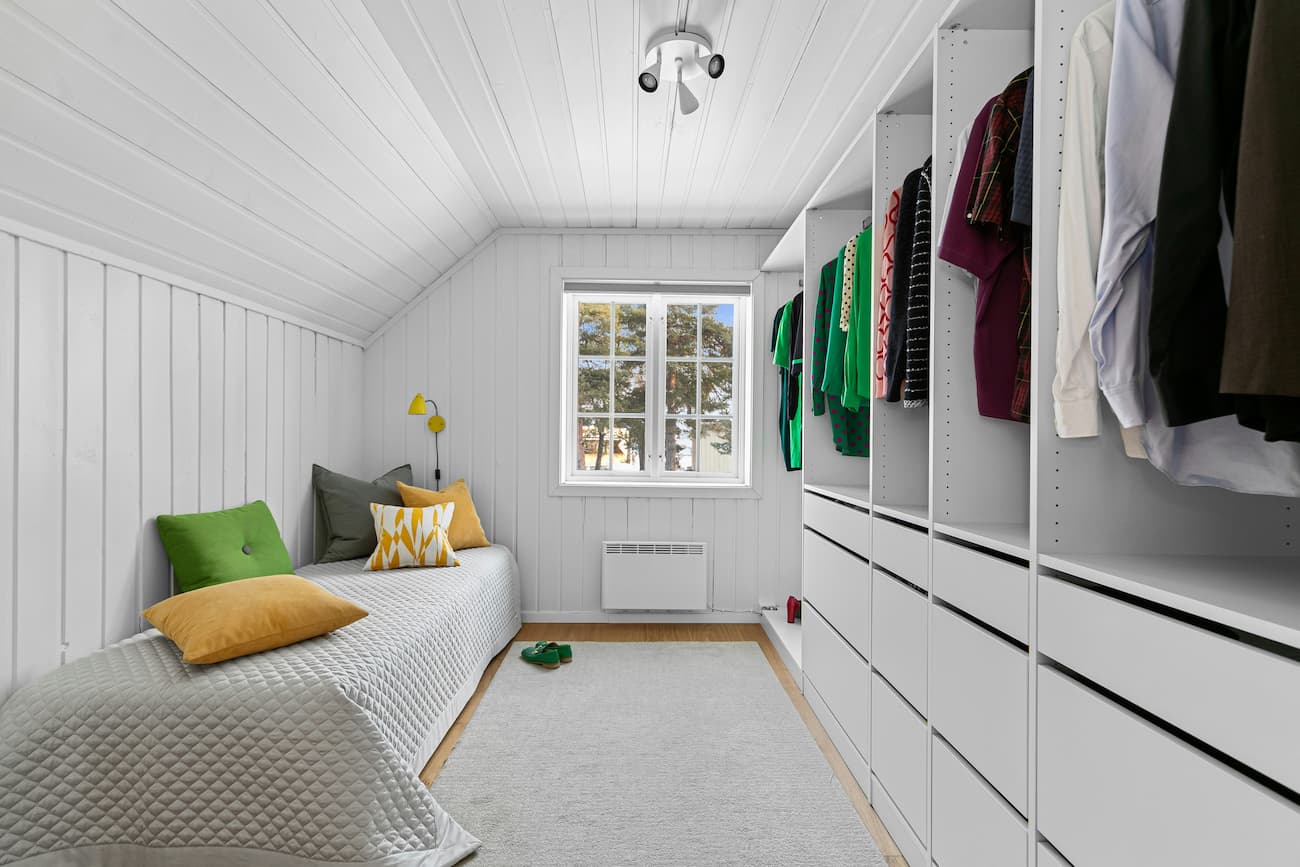
Introduction
Most no-drill storage advice stays too generic. It lists products or systems without showing how they actually come together inside a real home. That’s where most setups fail—not because the tools are wrong, but because they’re applied without context.
Each room behaves differently. Weight distribution, humidity, access frequency, and available space all change how a system performs. This guide focuses on building setups that match those conditions, not just suggesting options.
If you’re still deciding which system fits your situation overall, start with which no-drill storage system is right for you.
Living Room: Separating Display from Load
The biggest mistake in living rooms is treating decorative storage and functional storage as the same thing.
Setup Approach
- Use no-drill floating shelves designed for lightweight display and visual organization without wall damage strictly for décor
- Shift anything heavier (books, dense items) to freestanding or floor-supported units
Why this works
- Prevents gradual shelf failure from hidden weight build-up
- Keeps wall-mounted systems within safe limits
What to avoid
Using wall-mounted solutions for mixed-purpose storage
For a deeper breakdown of reliable shelf systems, see best no-drill wall shelf systems that actually work.
Bedroom: Expanding Vertical Capacity Inside Closets
Bedroom storage issues usually come from wasted vertical space rather than lack of total space.
Setup Approach
- Install an adjustable closet tension rod that creates an additional hanging layer without permanent modification
- Use internal dividers to segment stacked clothing
Why this works
- Converts unused vertical gaps into functional storage
- Separates clothing by type instead of stacking everything
What to avoid
Overloading a single rod with mixed clothing weights
For more structured variations, see tension rod storage ideas for maximizing space in rental homes.
Bathroom: Managing Moisture and Surface Reliability
Bathrooms are the most failure-prone environment for no-drill systems due to humidity.
Setup Approach
- Use heavy-duty adhesive hooks built for smooth, moisture-resistant surfaces for daily-use items
- Combine with tension-based separation where possible
Why this works
- Reduces reliance on adhesives alone
- Keeps frequently used items accessible
What to avoid
Full reliance on adhesive shelving in humid zones
If you’ve had systems fail here before, review common no-drill storage mistakes renters make.
Kitchen: Prioritizing Access Over Capacity
Kitchen storage is less about maximizing space and more about maintaining easy access under repeated use.
Setup Approach
- Use an over door storage rack to extend pantry or cabinet capacity without modifying existing structures
- Add hooks only for lightweight, high-frequency tools
Why this works
- Keeps daily-use items reachable
- Prevents overloading fragile systems
What to avoid
Using adhesive solutions for cookware or heavy kitchen items
For a broader layout strategy, see how to maximize storage in rental homes without drilling.
Entryway: Handling Repeated Daily Stress
Entryways deal with constant use, which introduces more stress than static storage areas.
Setup Approach
- Use transparent adhesive hooks that stay visually minimal while supporting small, frequently used items
- Limit load to essentials only
Why this works
- Maintains durability under repeated use
- Keeps space uncluttered
What to avoid
Using decorative hooks for heavy bags or layered items
How to Combine Systems Across a Home
The most stable setups come from combining systems, not relying on one.
A functional layout typically includes:
- Structural systems for heavier loads
- Adhesive systems for quick-access items
- Hybrid solutions for flexible or temporary needs
This prevents overloading any single system and improves long-term reliability.
To understand how different systems compare before choosing, refer to which no-drill storage system is right for you.
Conclusion
Effective no-drill storage is not about finding a single perfect solution—it’s about applying the right system in the right environment. Each room introduces different constraints, and successful setups reflect those differences instead of ignoring them. When systems are used within their intended limits and combined intelligently, renters can build storage that remains stable, flexible, and damage-free over time.
Suggested Posts
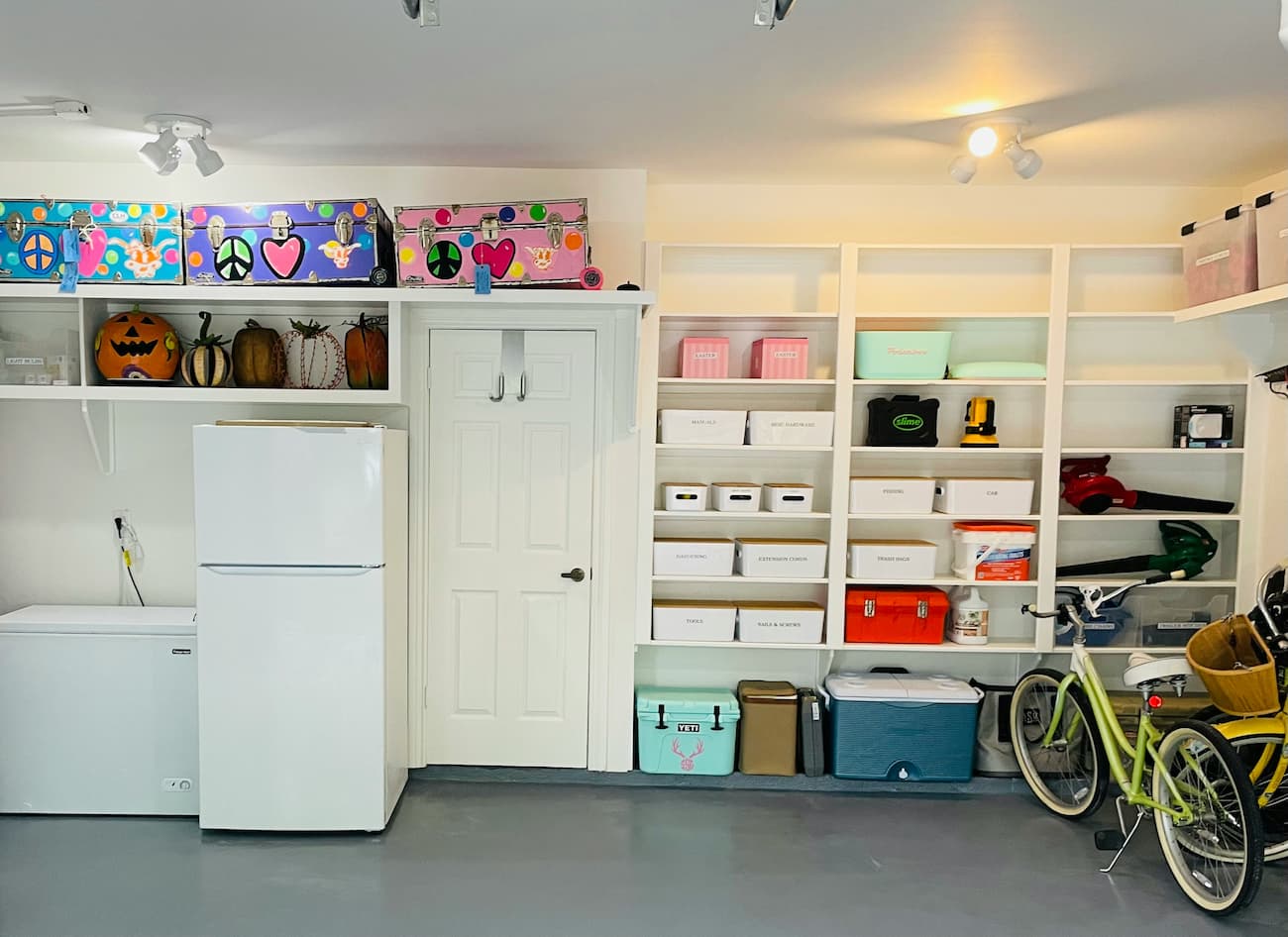 Common No-Drill Storage Mistakes
A practical breakdown of why no-drill storage fails in real homes and how to avoid common setup errors.
 Which No-Drill Storage System Is Right for You?
A decision-focused guide to choosing the right no-drill storage system based on real use cases, not assumptions.
 Tension Rod Storage Ideas for Maximizing Space in Rental Homes
 A practical guide to using tension rods for smart, no-drill storage in small rental spaces with real-world setups and limitations.
Comments
No comments yet. Be the first to comment!