Renter-Friendly Solutions • 9 min read
Damage-Free Wall Storage Ideas for Small Apartments
 MyGlowHome Editorial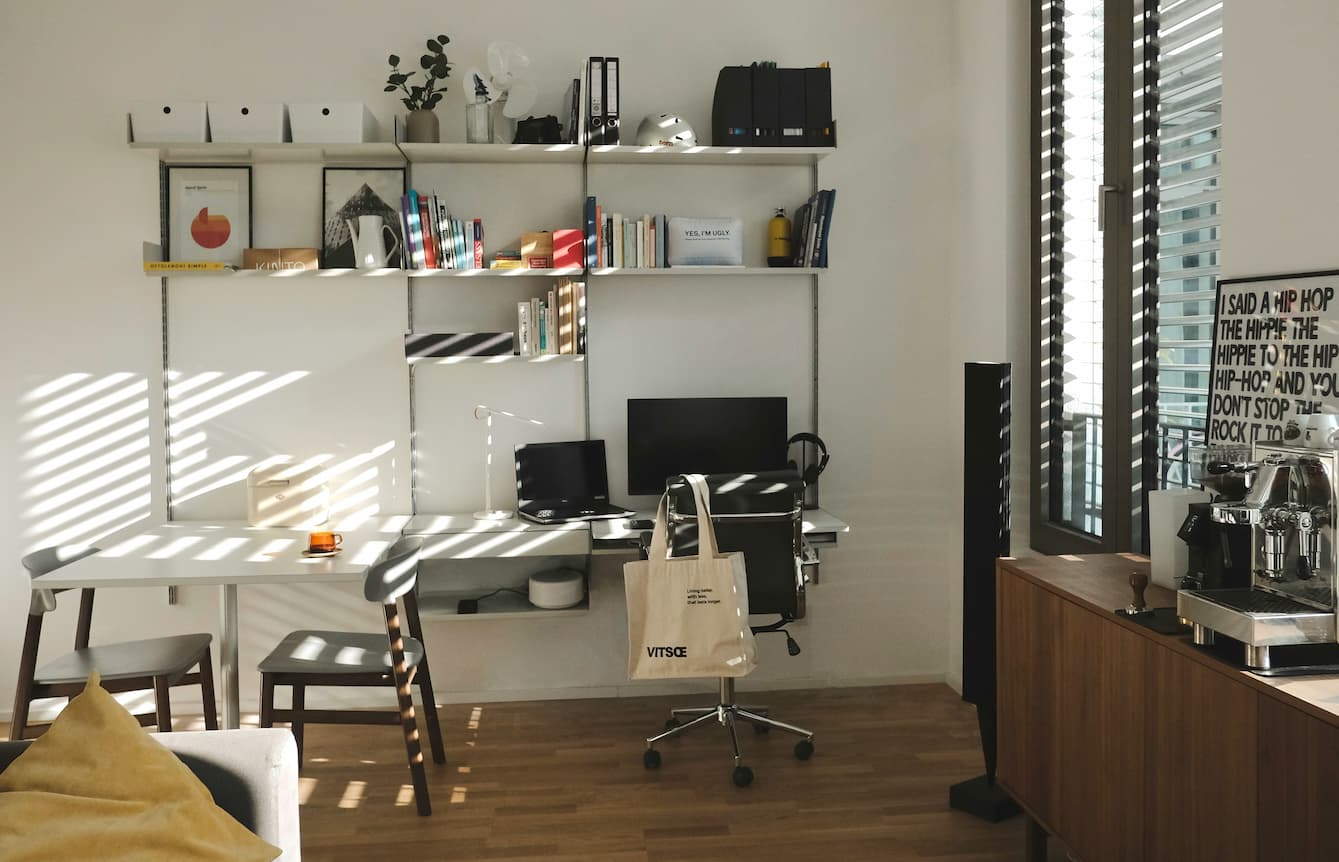
Introduction
Small apartments don’t become cluttered because of lack of effort—they become cluttered because storage is misaligned with available space.
Most renters rely on floor furniture or weak wall solutions that either waste vertical space or fail under real daily use. The core issue is not lack of storage products, but lack of proper system selection based on weight, surface, and usage patterns.
For a deeper breakdown of renter-safe installation systems, see our complete guide on no-drill home solutions for renters.
Overview: Three Core Damage-Free Storage Systems
Modern renter storage is not one-size-fits-all. It is built around three functional systems, each designed for different loads and environments.
1. Adhesive Wall Systems (Light Load Precision Use)
These systems use industrial adhesives instead of screws or drilling.
Best suited for:
- Kitchen utensils
- Bathroom accessories
- Lightweight organizers
A versatile renter-friendly option for organizing lightweight items is heavy-duty adhesive hooks designed for smooth surfaces where drilling isn’t possible while still supporting daily-use essentials.
Strengths:
- No wall damage
- Easy installation
- Flexible repositioning
Limitations:
- Sensitive to dust, moisture, and surface texture
- Not suitable for heavy loads
2. No-Drill Floating Storage Systems (Light–Medium Load Display Use)
These systems create shelf-like surfaces using adhesive or clamp-mounted designs, primarily focused on visual organization rather than heavy storage capacity.
Best suited for:
- Decorative items
- Small books and light reading material
- Everyday essentials (lightweight use only)
A minimal wall storage solution is no-drill floating shelves designed for lightweight organization and decorative display in small rental spaces.
Strengths:
- Clean visual organization
- Efficient vertical space use in small rooms
- Strong aesthetic appeal for modern interiors
Limitations:
- Not suitable for heavy or stacked weight loads
- Adhesive strength depends heavily on wall condition and installation quality
- Best used for display rather than functional storage
3. Tension-Based Vertical Systems (High Capacity Storage Zones)
These systems use floor-to-ceiling pressure to create structural storage frames.
Best suited for:
- Closet expansion
- Hanging storage organizers
- Room corners and vertical partitions
A stable vertical storage option is tension storage rack systems that use floor-to-ceiling pressure to create adjustable shelving without damaging walls.
Strengths:
- High storage capacity without drilling
- Works well for vertical space optimization
Limitations:
- Stability depends heavily on ceiling/floor grip quality
- Less reliable at maximum extension ranges
For a focused breakdown of wall-mounted options, see strongest adhesive hooks for renters.
System Comparison by Real Use Case
Instead of technical tables, here’s a practical breakdown based on real apartment usage:
If you need kitchen organization, adhesive systems work best due to humidity exposure and lightweight requirements.
If you need visible storage and décor display, floating shelves provide structure without permanent installation.
If you need bulk storage or vertical expansion, tension-based systems perform best in unused corners or closet areas.
Why These Setups Fail in Real Homes
Issue 1: Overloading Adhesive Systems
Most failures happen when users exceed recommended weight limits or skip curing time after installation.
Issue 2: Ignoring Surface Conditions
Dusty, textured, or damp walls significantly reduce adhesive effectiveness, even with high-quality products.
Issue 3: Centralized Load Pressure
Placing all weight on a single hook or point creates structural failure even in premium systems.
Real-Life Application Scenarios
Scenario 1: Compact Kitchen Setup
Adhesive hooks for utensils combined with floating shelves for spices and jars creates efficient vertical organization without cluttering counters.
Scenario 2: Studio Apartment Zoning
Floating shelves for visual structure combined with tension systems for vertical division creates functional separation without walls.
Scenario 3: Bedroom Storage Expansion
Tension-based systems allow creation of temporary closet-like zones for clothing and accessories without permanent fixtures.
Real Strategy
Instead of relying on a single method, combining multiple systems creates better stability and usability.
- Adhesive systems for lightweight daily-use items
- Floating shelves for visual organization
- Tension systems for high-capacity storage zones
This reduces stress concentration and improves long-term durability in rental environments.
If you’re working with window areas or vertical space, explore best no-drill curtain rods for renters that stay secure.
Conclusion
Damage-free storage only works when it’s treated as a system, not a shortcut. Each solution has a specific role some are built for light everyday use, others for structured organization, and a few for heavier vertical storage needs. The real difference between success and failure comes down to choosing based on context instead of convenience.
When storage methods are aligned with actual room conditions and realistic load demands, small apartments stop feeling limited by their size and start functioning like well-planned spaces.
Suggested Posts
 Common No-Drill Storage Mistakes
A practical breakdown of why no-drill storage fails in real homes and how to avoid common setup errors.
 Which No-Drill Storage System Is Right for You?
A decision-focused guide to choosing the right no-drill storage system based on real use cases, not assumptions.
 Tension Rod Storage Ideas for Maximizing Space in Rental Homes
 A practical guide to using tension rods for smart, no-drill storage in small rental spaces with real-world setups and limitations.
Comments
No comments yet. Be the first to comment!