Renter-Friendly Solutions • 10 min read
How to Maximize Storage in Rental Homes Without Drilling
 MyGlowHome Editorial
Why Most Storage Advice Breaks Down in Real Rentals
Most storage advice assumes homes are flexible, permanent spaces where drilling, mounting, and custom fixtures are always possible. Rental homes are the opposite. They come with restrictions, surface limitations, and the constant risk of losing deposits if walls are damaged.
Because of that mismatch, many storage solutions fail in practice. They either rely too heavily on permanent installation or ignore how daily movement actually happens inside small apartments. The real challenge is not adding storage. It is making limited space function efficiently without modifying the structure.
If you want a broader breakdown of renter-safe storage systems and how each one works individually, see our complete no-drill storage systems guide.
The Core Idea: Build Storage by Zones, Not Products
Every rental home can be broken into functional zones. Each zone needs a different type of storage logic.
- Cooking zone (kitchen wall + counter edges)
- Rest zone (bedroom walls + side areas)
- Entry zone (doors + entry walls)
- Utility zone (closets + internal spaces)
Once you think in zones, storage becomes a layout problem instead of a product problem.
Kitchen Setup: Counter-Free Storage System
The goal here is to remove clutter from horizontal surfaces.
Step 1: Clear Counter Pressure Points
Keep only essential cooking items on the counter.
Step 2: Move Storage to Walls
Use adhesive hooks and wall-mounted organizers for tools.
Step 3: Add Hanging Storage for Frequent Items
Use rod-based hooks for utensils and small tools.
A practical storage solution for existing rods is over-the-rod hooks that instantly add hanging space by attaching directly onto curtain rods, shelves, or rails without installation.
Result: Counter space increases without changing furniture.
Bedroom Setup: Vertical Expansion System
Bedrooms usually lose space because walls are underused.
Step 1: Identify Empty Vertical Areas
Look at corners, behind doors, and unused wall strips.
Step 2: Add Vertical Storage Structure
Use tension-based systems for hanging and layered storage.
A flexible storage option for rental spaces is a tension pole system that creates vertical support between floor and ceiling for hanging or organizing lightweight items without drilling.
Step 3: Add Light Wall Storage for Essentials
Use adhesive hooks for daily-use items like bags or accessories.
Result: More storage without adding extra furniture.
Entryway Setup: Fast Access Organization
This area needs quick usability, not heavy storage.
Step 1: Assign Wall Access Points
Install hooks at reachable height for daily items.
Step 2: Add Hanging Utility Storage
Use rod-mounted hooks for bags and essentials.
Result: Entryway stays clean but functional.
Closet Setup: Hidden Capacity Expansion
Closets are usually underutilized vertically.
Step 1: Divide Vertical Space
Use internal shelf dividers to create layers.
A simple internal organization tool is closet shelf dividers designed to separate stacked items and create structured vertical sections inside existing closet shelves.
Step 2: Add Hanging Layers
Use over-the-rod hooks for extra hanging space.
Result: Same closet space holds more items without modification.
For structured wall-based storage solutions, refer to best no-drill wall shelf systems that actually work.
How These Systems Work Together
The real improvement happens when all zones are combined.
- Kitchen handles tools and daily items
- Bedroom handles bulk storage vertically
- Entryway handles fast access items
- Closet handles hidden organization
Each system reduces pressure on the others, creating balance across the home.
Common Setup Failures
Overloading Single Zones
Putting too much storage in one area leads to early failure.
Ignoring Movement Flow
Storage placed in high-traffic areas becomes inconvenient.
Using One System for Everything
No single system can handle all storage needs in a rental home.
Practical Rule for Better Storage
Instead of asking what product is strongest, ask where the item will be used and how often it will be accessed. Frequent-use items need accessible storage. Rare-use items can go into vertical or hidden systems.
For smaller items and daily-use storage, see strongest adhesive hooks for renters.
For window and divider setups, explore best no-drill curtain rods for renters that are reliable.
Conclusion: Storage Is a Layout Problem, Not a Product Problem
Most renters approach storage by looking for stronger hooks, bigger racks, or more shelves. That approach misses the real issue. Space does not improve by adding more products; it improves when every part of the room is assigned a clear function.
When storage is designed around zones, movement, and usage frequency, even small rental homes can feel significantly more open and organized without any permanent modifications.
The goal is not to maximize what you install on walls. The goal is to maximize how efficiently the space already works.
Suggested Posts
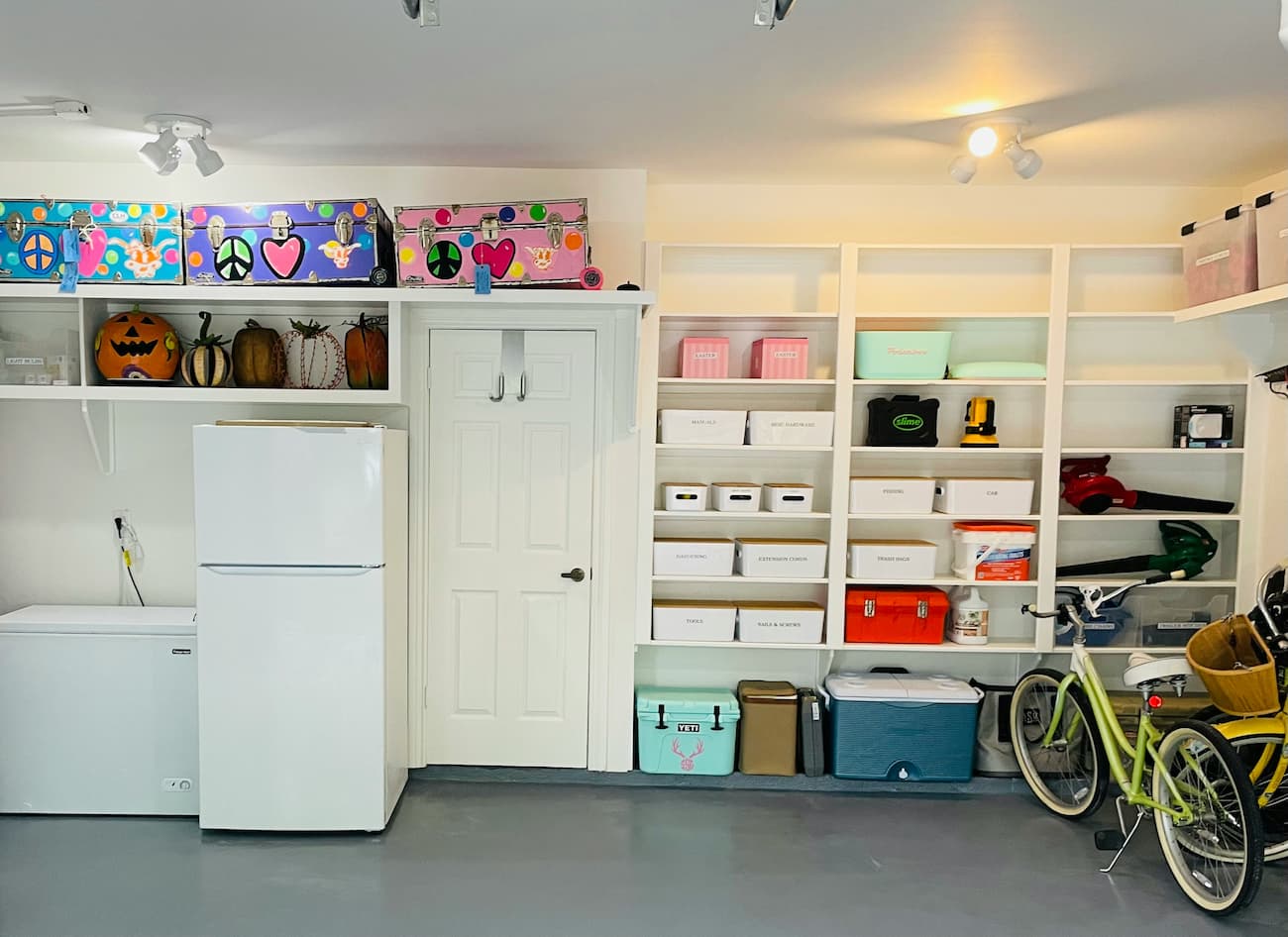 Common No-Drill Storage Mistakes
A practical breakdown of why no-drill storage fails in real homes and how to avoid common setup errors.
 Which No-Drill Storage System Is Right for You?
A decision-focused guide to choosing the right no-drill storage system based on real use cases, not assumptions.
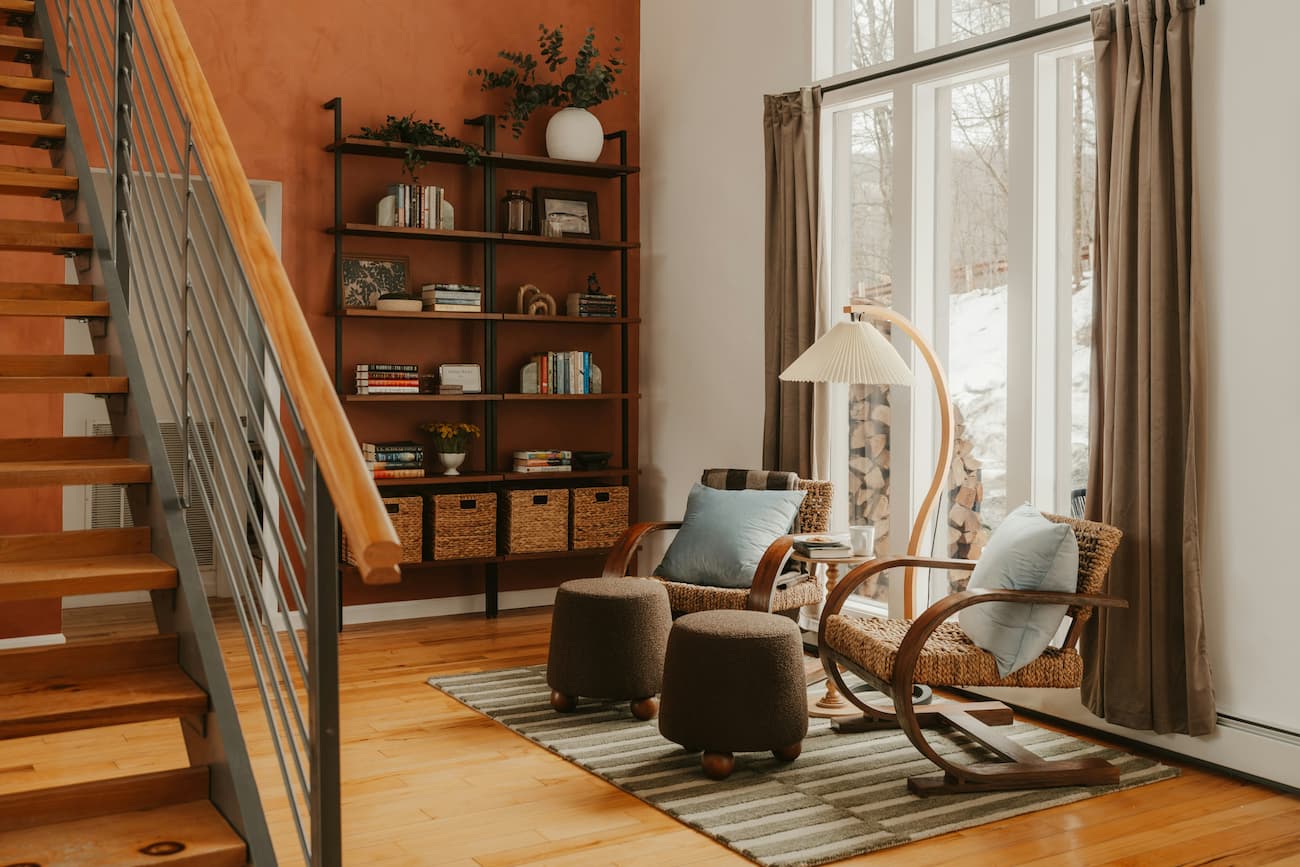 Tension Rod Storage Ideas for Maximizing Space in Rental Homes
 A practical guide to using tension rods for smart, no-drill storage in small rental spaces with real-world setups and limitations.
Comments
No comments yet. Be the first to comment!