Renter-Friendly Solutions • 8 min read
Smart Space-Saving Storage Ideas for Small Rental Rooms
 MyGlowHome Editorial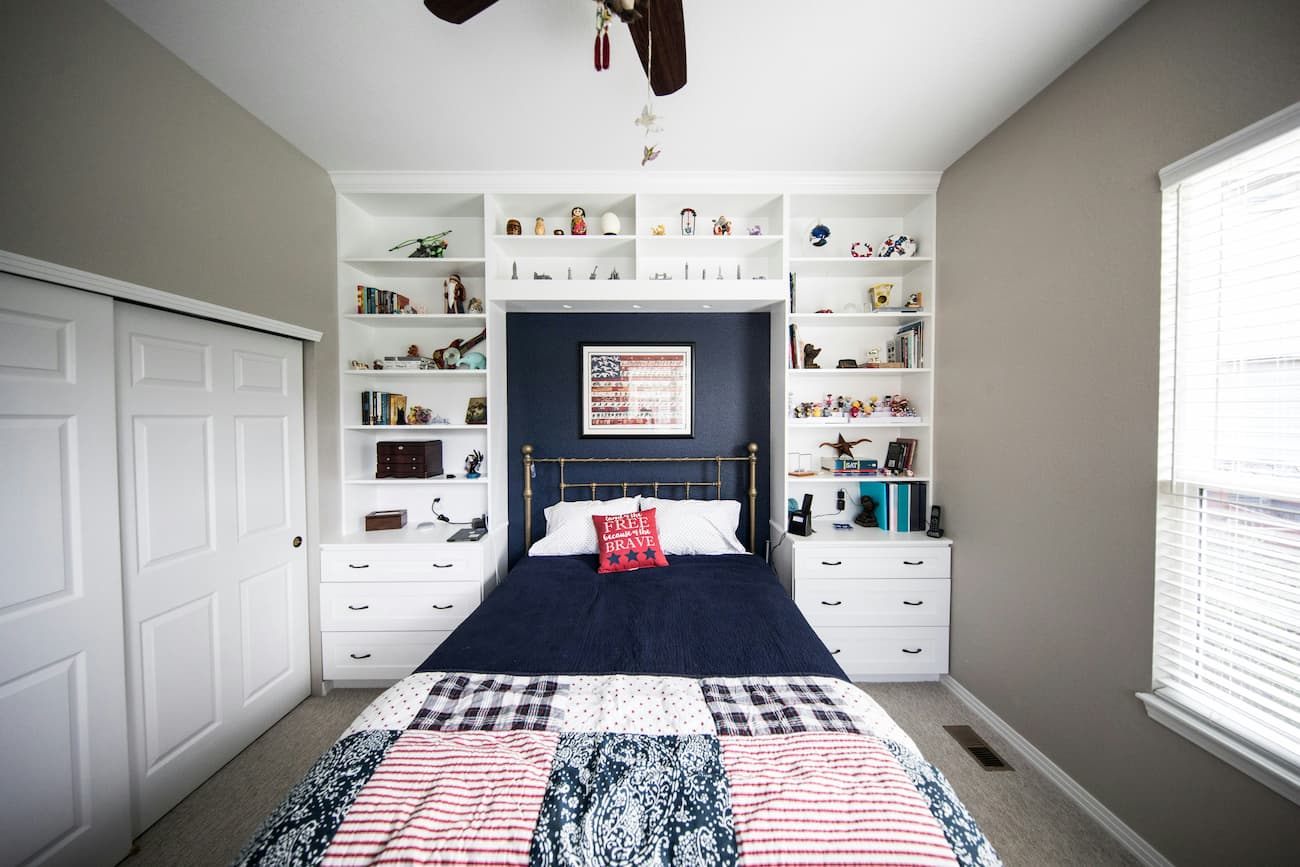
Introduction
Small rental rooms often feel limited not because of actual square footage, but because of inefficient use of vertical and hidden space. Most renters rely on surface-level organization, leaving large portions of usable storage potential untouched.
The real shift comes from treating space as a three-dimensional system rather than a floor-based layout. When vertical, hidden, and modular storage layers are combined correctly, even compact rooms can function like significantly larger spaces without structural modifications.
For foundational no-drill systems that support these strategies, see no-drill wall storage systems overview.
Why Small Rooms Feel Cluttered
Most small rental rooms suffer from the same issues:
- Unused vertical wall space
- Poor closet segmentation
- Lack of hidden storage layers
- Over-reliance on floor furniture
The result is visual clutter, not just physical limitation. Solving this requires system-based organization rather than individual storage fixes.
1. Vertical Wall Utilization Systems
One of the most effective ways to expand storage capacity is by using vertical wall zones that are typically ignored.
Why it works: Vertical expansion increases usable storage without increasing floor footprint.
Best use cases:
- Wall-mounted shelves
- Hanging organizers
- Light storage displays
A structural no-drill option for rental storage is a wall shelf system designed to provide stable surface storage using non-permanent mounting methods suitable for light to medium loads.
2. Under-Bed Storage Optimization
The space under beds is often the most underutilized storage zone in rental rooms.
Why it works: It converts unused dead space into structured storage capacity.
Best use cases:
- Seasonal clothing
- Bedding and linens
- Shoes and accessories
A space-saving underutilized solution is under bed storage boxes designed to maximize hidden floor space while keeping seasonal or rarely used items organized and accessible.
3. Closet Expansion Without Structural Changes
Closets in rental rooms often lack internal segmentation, leading to wasted vertical space.
Why it works: Layered storage increases capacity without expanding physical closet size.
Best use cases:
- Hanging organizers
- Shelf dividers
- Tiered clothing storage
A structured interior solution for wardrobes is a closet organizer system designed to improve vertical layout efficiency and separate clothing, accessories, and storage zones inside closets.
For adhesive-based support options, see renter-friendly wall organization tools.
4. Over-Door and Hidden Storage Systems
Doors are often ignored as functional storage surfaces.
Why it works: They provide vertical utility without affecting wall integrity.
Best use cases:
- Shoes
- Accessories
- Bathroom essentials
A door-based storage solution is an over door storage rack that utilizes unused door space for organizing shoes, toiletries, and lightweight household items without wall damage.
5. Modular Lightweight Wall Systems
Lightweight modular systems allow flexible organization without permanent installation.
Why it works: They adapt to changing storage needs without redesigning the room.
Best use cases:
- Daily essentials
- Small tools
- Decorative storage
A removable mounting solution is a command strip organizer kit designed for temporary, damage-free wall organization of lightweight items in rental spaces.
For practical usage techniques, see adhesive-based optimization strategies.
Critical Mistakes in Small Room Storage
1. Prioritizing furniture over system design
Buying more furniture does not solve spatial inefficiency.
2. Ignoring vertical zoning
Most renters only use lower wall space and floor surfaces.
3. Mixing storage types without structure
Random storage solutions reduce usable space efficiency.
Real Decision Framework
Use vertical systems for:
- permanent storage expansion
Use under-bed systems for:
- hidden long-term storage
Use modular systems for:
- flexible daily organization
Use closet systems for:
- structured clothing management
No single method solves everything; efficiency comes from combination.
Conclusion
Effective space optimization in rental rooms is not about adding more storage items, but about restructuring how space is used across vertical, hidden, and modular zones. When these layers are implemented correctly, even compact rooms gain functional capacity without requiring physical expansion.
The most efficient systems are those that adapt to constraints rather than trying to eliminate them. In rental environments, that adaptability defines long-term usability and sustained organization.
Suggested Posts
 Common No-Drill Storage Mistakes
A practical breakdown of why no-drill storage fails in real homes and how to avoid common setup errors.
 Which No-Drill Storage System Is Right for You?
A decision-focused guide to choosing the right no-drill storage system based on real use cases, not assumptions.
 Tension Rod Storage Ideas for Maximizing Space in Rental Homes
 A practical guide to using tension rods for smart, no-drill storage in small rental spaces with real-world setups and limitations.
Comments
No comments yet. Be the first to comment!